About 400 workers set to walk out through Nov. 27 as wage talks stall and concerns grow over potential production disruptions
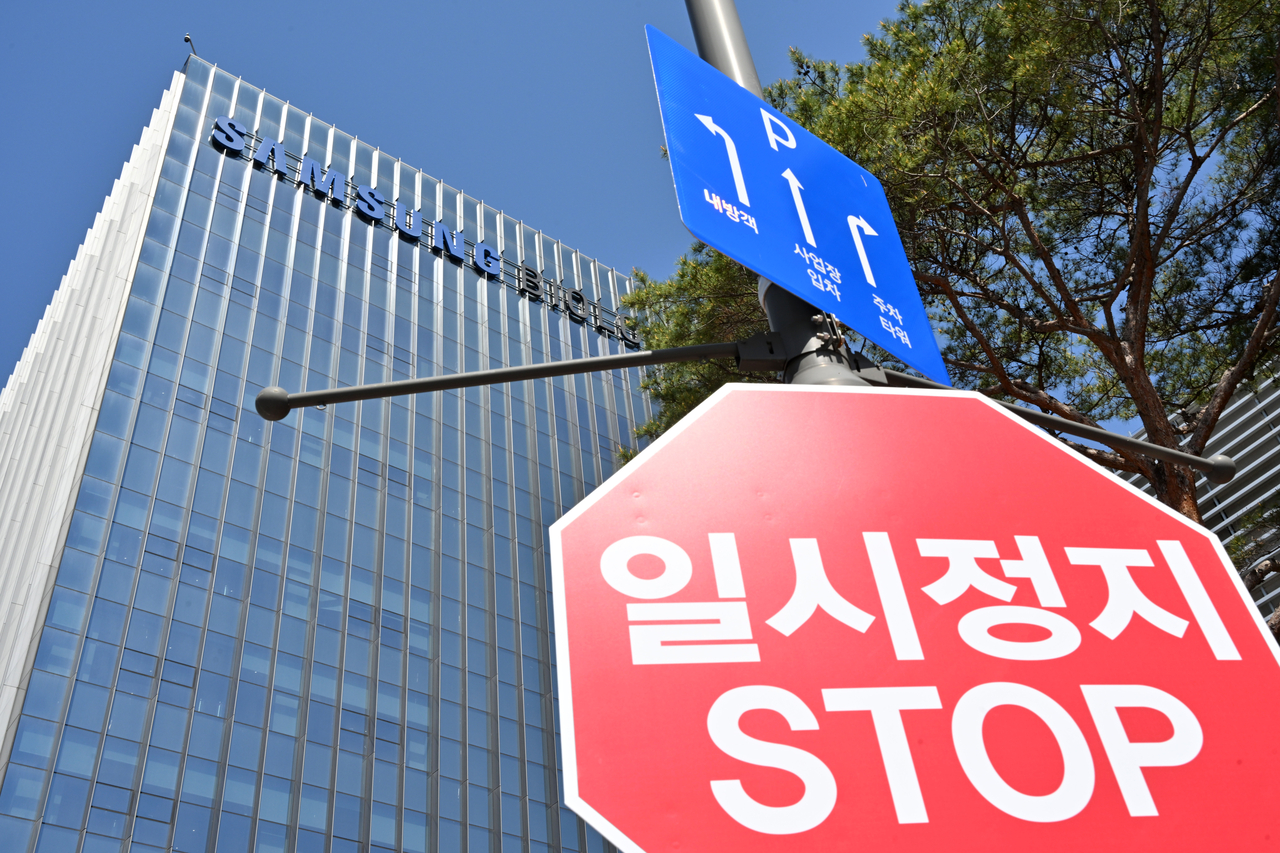
Samsung Biologics' labor union is set to launch a second strike Friday, with about 400 workers expected to walk out despite a court injunction restricting industrial action at the company's production facilities.
The strike, scheduled to run through Nov. 27, marks a fresh escalation in a monthslong wage dispute that has already cost the drug manufacturer an estimated 150 billion won ($112 million) in losses.
The walkout will initially involve employees in quality control, quality assurance and logistics, along with production support staff handling scheduling, documentation, materials and process management.
The union said it plans to gradually expand the strike to production operations within the limits of the court injunction, raising concerns about potential disruptions to manufacturing.
The Seoul High Court ruled last month that the union could not strike in certain production-related operations, citing legal restrictions on industrial action that could jeopardize the preservation of raw materials and finished products.
However, the injunction does not cover work involving newly thawed cell lines, potentially leaving production vulnerable to disruption if the strike continues for an extended period.
Cell lines already in use can remain viable for several months or longer. But once they need replacing, a shortage of workers available to thaw new cell lines could disrupt manufacturing.
Samsung Biologics said it remains committed to resolving the dispute through negotiations but warned that an expanded strike could make an agreement more difficult.
"The company's commitment to reaching an agreement through negotiations remains unchanged, but if the labor union keeps up its hardline responses such as expanding strikes, it might be difficult to conduct constructive talks and reach an agreement," the company said.
Samsung Biologics added that it would work to maintain stable production and quality standards to minimize disruptions to patients and clients.
Tensions have also risen over the bargaining process.
On Monday, Samsung Biologics requested a postponement of talks after the union discussed transferring its bargaining authority to the Federation of Korean Trade Unions and demanded that the company replace its lead negotiators.
The union accused management of unilaterally suspending negotiations and said it would proceed with the strike unless meaningful talks resumed.
Samsung Biologics previously estimated that a five-day walkout in May caused about 150 billion won in losses, equivalent to roughly 25 percent of its second-quarter operating profit.
hwkan@heraldcorp.com